What's Actually Going Wrong With Your Tapas (And How to Turn It Around)
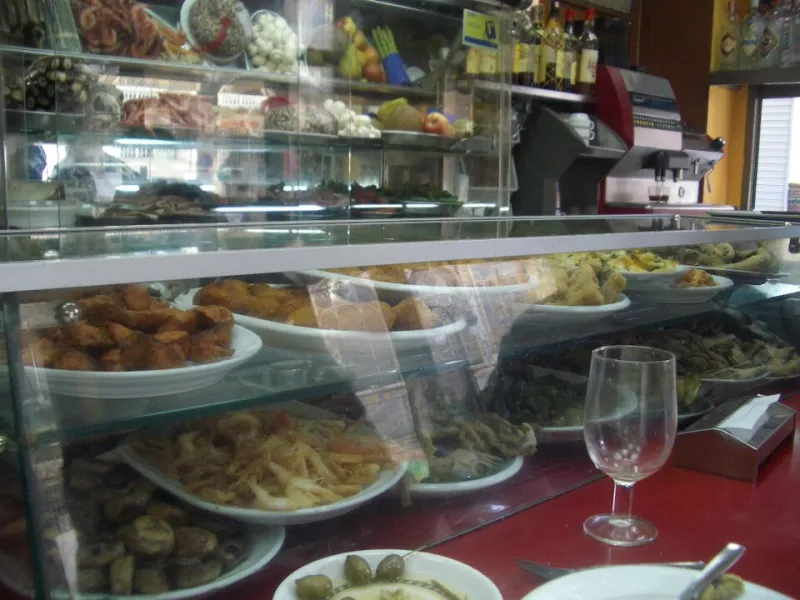
Photo: Mike Rosenberg, CC BY-SA 3.0, via Wikimedia Commons
Tapas night sounds so good on paper. Small plates, a bottle of Albariño, friends around the table, the whole thing. Then you actually pull it off and something feels... off. The food is fine. Maybe even pretty good. But it doesn't feel like tapas. It feels like a dinner party that lost its nerve halfway through.
This happens more than people want to admit. And the culprit is almost never the cook. It's a set of common assumptions — about what tapas should look like, how much work they require, and what makes them actually taste Spanish — that quietly sabotage the whole spread before anyone takes a bite.
Let's talk about what's actually going wrong.
You're Treating It Like an Appetizer Course
The single most persistent misunderstanding about tapas in American kitchens is the idea that they're just smaller versions of regular dishes. Tiny crab cakes. Mini sliders with a Spanish flag toothpick. A shot glass of gazpacho.
That's not tapas — that's catering.
Spanish small plates exist in their own context. They're not a prelude to a main event. They are the event. The whole philosophy is built around variety, conversation, and the kind of casual grazing that makes two hours disappear. When you treat tapas as a warm-up act, you end up with food that doesn't know what it's supposed to be.
The fix is a mindset shift more than a recipe swap. Stop planning a tapas "course" and start planning a tapas table. Think in terms of a full spread — something briny, something rich, something light, something warm — and let that be the meal.
You're Overcomplicating the Recipes
Here's a thing that happens: someone decides to host a Spanish night, Googles "impressive tapas recipes," and ends up making a three-step romesco with toasted almonds, a slow-braised lamb shoulder cut into small portions, and homemade croquetas from scratch.
By 8 p.m., the host is exhausted, the croquetas are falling apart, and the whole vibe is tense instead of relaxed.
Spanish cooking — real Spanish cooking — is not about complexity. It's about quality ingredients treated with respect. A plate of good jamón with a drizzle of olive oil. Boquerones on toast with a little lemon. White beans warmed in garlic and smoked paprika. These things take ten minutes and they taste like Spain because they are Spain.
When you reach for complicated, you're usually reaching away from the point. Simplicity isn't a compromise in this cuisine — it's the whole game.
The Flavors Are Competing Instead of Talking
This one is subtle but it wrecks a lot of spreads. You've got a smoky patatas bravas, a heavily spiced chorizo, a sharp blue cheese crostini, and a sweet sherry-glazed mushroom situation — all on the table at the same time.
Every single dish is interesting. Together, they're exhausting.
Good tapas spreads have a flavor arc. There's contrast, sure — but it's intentional contrast. Bright and briny plays against rich and fatty. Something herby cuts through something unctuous. The goal is balance across the table, not maximum boldness on every plate.
A practical way to check yourself: before you finalize your lineup, say the dominant flavor of each dish out loud. Smoky. Salty. Tangy. Sweet. Creamy. If half your list sounds the same, pull back and swap something. You want the meal to have range.
Your Portions Are Too Generous
American generosity is a beautiful thing. It is not always a tapas thing.
When each plate arrives looking like a full serving, two things happen. First, guests feel obligated to finish each dish before moving on, which kills the grazing rhythm. Second, by the time the fourth plate hits the table, everyone's already full and the last few dishes barely get touched.
Tapas are meant to be tasted, not consumed. Three or four bites per person per dish is genuinely the right amount. That might feel stingy when you're plating, but at the table it creates exactly the kind of anticipation and movement that makes the format work.
If you're cooking for four people, a small plate should yield four to six bites total. That's it. Trust the abundance of the spread, not the size of any single dish.
You're Not Accounting for Temperature
This is the most practical failure on the list, and it's one that even experienced home cooks overlook. Tapas are served at different temperatures for a reason — and when everything arrives lukewarm at the same moment, something important is lost.
Cold things should be cold. Warm things should be warm. Patatas bravas that have been sitting on the counter for twenty minutes while you finish the croquetas are sad patatas bravas. A plate of Ibérico served right out of the fridge instead of at room temperature tastes like a completely different product.
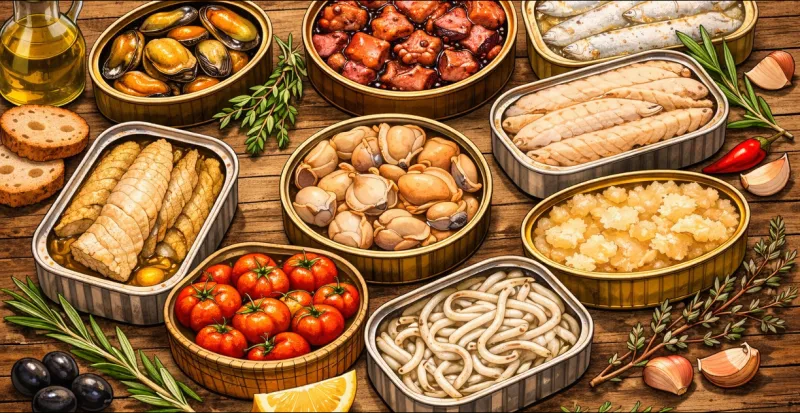
The solution is sequencing. Plan which dishes can be prepped ahead and served cold or room temp — tinned fish, cured meats, marinated olives, cheese — and which need to come out hot. Stagger them. Let the cold stuff anchor the table while the warm dishes arrive in waves. It keeps the energy up and the food tasting like it was meant to.
The Wine Is an Afterthought
Tapas without wine isn't wrong, exactly. But pairing is part of the experience in a way that really does affect how the food tastes. A glass of cold Manzanilla with briny olives and anchovies isn't just a nice touch — it's the reason those flavors work the way they do.
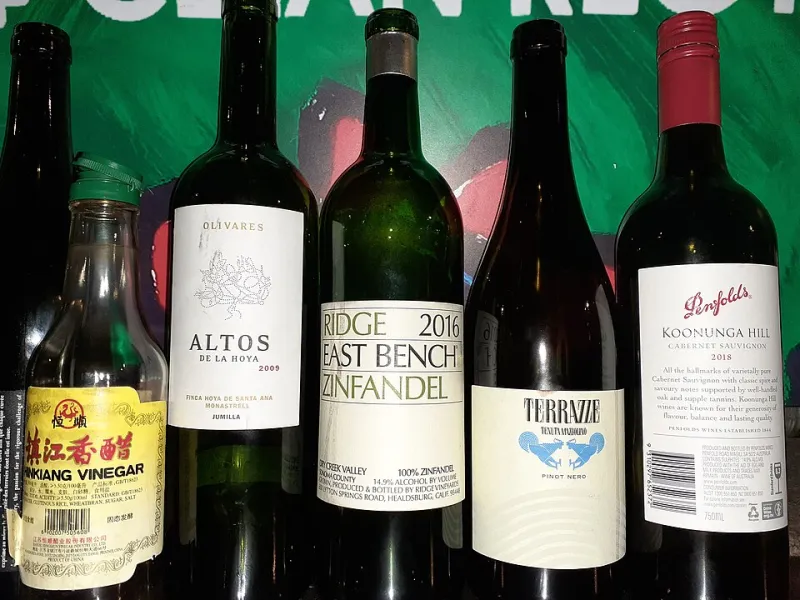
You don't need to become a sommelier. But putting a little thought into what's on the table alongside your food pays off fast. Crisp whites and cavas with seafood and lighter bites. Garnacha or Tempranillo with meatier, richer plates. Even a simple Spanish rosado covers a lot of ground if you're not sure where to start.
The wine isn't decoration. It's part of the flavor.
The Real Problem Is Expectation
Underneath most of these specific issues is a single root cause: people expect tapas to feel like restaurant food, and they try to manufacture that feeling through effort and elaboration.
But what makes tapas feel like tapas — in a bar in Seville or around a kitchen table in Chicago — is intention and ease. It's the sense that someone put real thought into what's on the table without killing themselves to get it there. The food is good because the ingredients are good and the combinations are smart, not because every dish is a technical achievement.
Get that right, and everything else falls into place.