Beyond Rioja: A Practical Guide to Spanish Wines That Make Your Tapas Taste Even Better
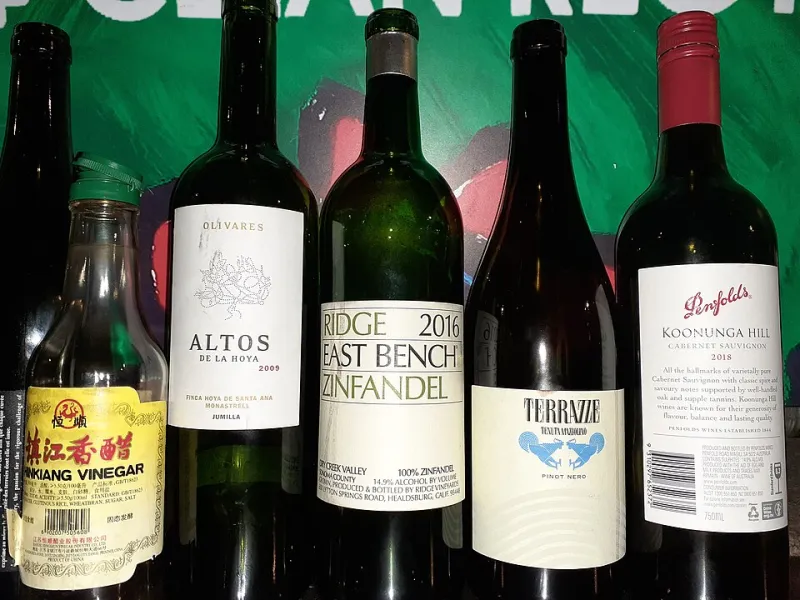
Photo: Mookshiname Laudee, CC BY-SA 4.0, via Wikimedia Commons
Spain is the country with more land under vine than anywhere else on Earth. More than France. More than Italy. And yet, walk into most American wine shops and ask for a Spanish recommendation, and you'll likely get pointed toward a Rioja Tempranillo or, if someone's feeling adventurous, a Cava. Both are great. Neither tells the full story.
The real depth of Spanish wine — the stuff that makes tapas sing — lives in regions that don't get nearly enough shelf space in the US. The good news: they're out there if you know what to ask for. And once you start pairing them with the right small plates, you'll wonder why you ever settled for the obvious choices.
Here's a region-by-region breakdown of what to seek out, what it tastes like, and exactly what to eat alongside it.
Sherry: Stop Sleeping on It
What it is: Fortified wine from the Jerez region of Andalusia, ranging from bone-dry Fino to nutty, oxidized Amontillado to rich, sweet Pedro Ximénez.
Where to find it in the US: Sherry has been quietly having a moment in American wine bars and restaurants, which means better availability at specialty shops like Total Wine, K&L Wine Merchants (California), or any good independent bottle shop. Look for producers like Lustau, González Byass, and Hidalgo.
What it tastes like: Fino and Manzanilla are searingly dry, briny, almost saline — like the ocean decided to become a wine. Amontillado is nuttier and more complex. Oloroso leans toward dried fruit and leather.
Pair it with:
- Fino or Manzanilla → jamón ibérico, boquerones (white anchovies), any dish with briny, salty notes. The salinity in the wine mirrors the salinity in the food in a way that's almost eerie.
- Amontillado → tortilla española, roasted almonds, aged Manchego. The nuttiness plays beautifully.
- Oloroso → braised meats, mushroom-forward dishes, anything earthy and rich.
Pro tip: Serve Fino cold — much colder than you'd think, almost refrigerator-cold — in a white wine glass, not a tiny sherry glass. It changes everything.
Albariño: The Crowd-Pleaser That Earns It
What it is: The signature white grape of Galicia's Rías Baixas region, grown along Spain's Atlantic coast.
Where to find it in the US: Albariño has solid distribution in the US — you'll find it at Trader Joe's, Costco (look for Mar de Frades or Burgáns), and most wine shops. It's one of the easier Spanish discoveries to make.
What it tastes like: Crisp, aromatic, with notes of white peach, citrus zest, and a pleasant minerality. Lower in alcohol than many whites, which makes it a great all-evening sipper.
Pair it with:
- Gambas al ajillo (garlic shrimp) — the wine's acidity cuts through the olive oil like a dream
- Pulpo a la gallega (Galician-style octopus) — this is a regional pairing that exists for very good reason
- Any seafood-forward tapas, really. Clams, mussels, ceviche-adjacent dishes
Why it goes beyond paella: Yes, Albariño is incredible with seafood paella. But it's the smaller plates — the individual bites of shrimp, the grilled fish pintxos — where it really gets to show off.
Txakoli: The Zippy Basque Wild Card
What it is: A slightly sparkling, very high-acid white wine from the Basque Country, often poured from a height to aerate it and build that characteristic light fizz.
Where to find it in the US: Harder to track down than Albariño, but worth the hunt. Specialty wine shops in major cities usually carry at least one producer. Ameztoi and Txomin Etxaniz are the labels to ask for.
What it tastes like: Tart green apple, lemon peel, a whisper of effervescence. Very low alcohol (around 10-11%). It's almost aggressive in its acidity, which sounds like a warning but is actually a feature.
Pair it with:
- Pintxos of any kind — the wine was basically born to be drunk standing up in a Basque bar with something on bread
- Fried anchovies or any battered, fried seafood
- Fresh goat cheese on toast with a drizzle of honey
The move: Pour it high, the way they do in San Sebastián. It aerates the wine and makes you look like you know things.
Godello: The White Wine Nerd's Favorite
What it is: A white grape from Galicia and the neighboring DO of Bierzo, increasingly recognized as one of Spain's most interesting whites.
Where to find it in the US: Growing in availability. Look for Valdeorras as the DO on the label, or producers like Guitián and Rafael Palacios. Wine shops with strong Spanish sections (especially in NYC, LA, Chicago, and Miami) should have options.
What it tastes like: Richer and more textured than Albariño, with stone fruit, floral notes, and a creamy mid-palate. Think of it as Spain's answer to white Burgundy, but at a fraction of the price.
Pair it with:
- Croquetas de jamón — the wine's texture handles the creamy béchamel interior beautifully
- White bean stews or any legume-forward dish
- Mild, fresh cheeses and roasted peppers
Garnacha: The Red That Actually Works With Delicate Tapas
What it is: Grenache under its Spanish name, grown across Aragón, Navarra, and in the increasingly celebrated Garnacha-focused DOs like Campo de Borja and Calatayud.
Where to find it in the US: Old vine Garnacha from these regions is available at most Total Wine locations and good independent shops. It's often very affordable — $15-20 for genuinely excellent bottles.
What it tastes like: Red fruit forward — strawberry, raspberry — with a silky texture and moderate tannins. Lighter in body than Tempranillo, with a warmth that comes from the grape's naturally high sugar content.
Pair it with:
- Patatas bravas with spicy aioli — the fruit in the wine cools the heat
- Lamb meatballs with tomato sauce
- Grilled vegetables with romesco
Why it beats Rioja here: Rioja is a beautiful wine, but its structure can overpower delicate tapas. Garnacha is more flexible — it plays nicely with a wider range of small plates without dominating.
A Quick Note on Cava
Cava — Spain's méthode traditionnelle sparkling wine, mostly from Catalonia — deserves a mention not because it's underrated, but because it's underused. Americans tend to reach for Prosecco or Champagne for celebrations and forget that good Cava is a legitimate all-evening wine that pairs with almost everything on a tapas table. Crispy fried things, salty bites, rich creamy dishes — Cava's bubbles and acidity handle them all. Look for Reserva or Gran Reserva designations for more complexity, and producers like Gramona or Recaredo for something genuinely special.
Where to Shop
If your local grocery store's Spanish section starts and ends with Rioja, here are some options worth knowing:
- Wine.com ships to most US states and has a solid Spanish selection
- K&L Wine Merchants (online and California stores) for curated picks
- Total Wine & More for broader availability including Albariño and Garnacha
- Your local independent wine shop — ask specifically for Spanish wines outside of Rioja. A good shop will have something worth finding.
The world of Spanish wine is wide, weird in the best way, and almost perfectly calibrated for the way tapas are meant to be eaten — slowly, communally, with plenty of time to pour another glass and see where the evening goes.