Slow Down and Sip: How to Bring Spain's Beloved Vermouth Ritual Into Your Home
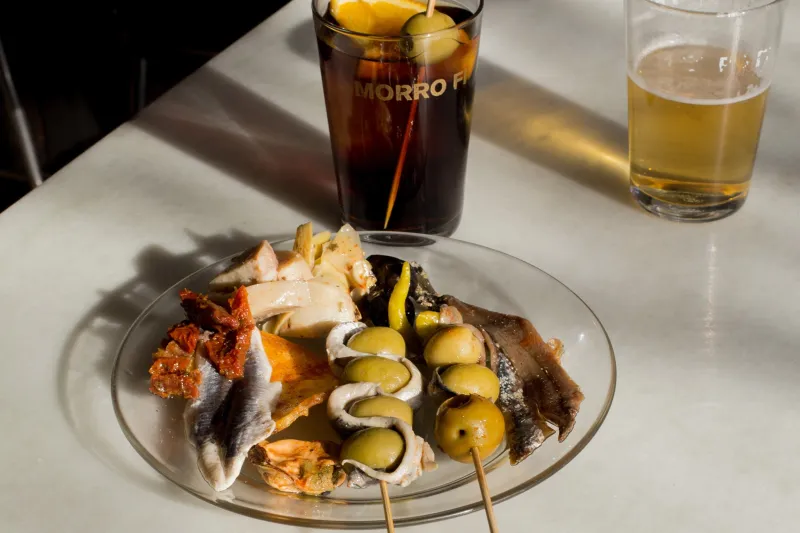
Photo: Spanish vermouth aperitivo hour table olives anchovies outdoor cafe, via i.natgeofe.com
There's a particular kind of Sunday afternoon in Barcelona where everything slows down just enough to feel intentional. The tables spill onto the sidewalk, a cold glass of vermouth lands in front of you without being asked, and a small dish of olives appears as if by magic. Nobody's rushing. Nobody's checking their phone. This is la hora del vermut — the vermouth hour — and once you've experienced it, the American habit of skipping straight to dinner feels like a genuine loss.
The good news? You don't need a flight to Spain to recreate it. You need a bottle of vermouth, a few pantry staples, and the willingness to treat a weekday evening — or a lazy Sunday — like it actually deserves your attention.
What Is La Hora del Vermut, Really?
The vermouth hour is Spain's answer to Italy's aperitivo, but it has its own distinct personality. Rooted in Catalan and Basque drinking culture, it typically falls between noon and 2 p.m. on weekends — that golden window before the long Spanish lunch. It's less about getting a buzz and more about transitioning: from the morning into the afternoon, from solo time into social time, from the week's stress into something gentler.
Vermouth — called vermut in Catalan and Spanish — is served over ice with a splash of soda water, a slice of orange, and sometimes a green olive or two skewered on a toothpick. That's it. No elaborate cocktail construction. No shaker required. The simplicity is the whole point.
In the US right now, there's a quiet but real shift happening toward this kind of ritual drinking — slower, more intentional, less about volume and more about flavor and presence. Vermouth fits perfectly into that movement, and honestly, it's one of the most underrated bottles you can keep in your fridge.
Choosing Your Vermouth
Not all vermouths are created equal, and the Spanish style differs meaningfully from its French or Italian cousins. Spanish vermouth (vermut rojo) tends to be darker, richer, and slightly more bitter — think dried fruit, warm spice, and a pleasantly herbal finish that lingers without being aggressive.
A few bottles worth tracking down at your local wine shop or Total Wine:
- Yzaguirre Rojo Reserva — a classic from Tarragona, aged in oak, deeply aromatic
- Lustau Vermut Rojo — made by one of Jerez's great sherry houses; nutty and complex
- Primitivo Quiles — a Spanish cult favorite with a distinctly old-school feel
- Martini Rojo — widely available and perfectly respectable for a casual weeknight
Once opened, store your vermouth in the fridge. It's a fortified wine, not a spirit, so it does go off — usually within four to six weeks.
How to Build the Perfect Glass
The Spanish vermouth serve is almost insultingly easy:
- Fill a rocks glass or short tumbler with ice — big cubes if you have them
- Pour two to three ounces of red vermouth over the ice
- Add a small splash of soda water (about half an ounce)
- Squeeze a slice of orange over the top and drop it in
- Add a green olive or a cocktail onion on a pick
That's your vermut con sifón. Some bars in Madrid add a dash of Angostura bitters. Some serve it alongside a small pour of beer. The variations are endless, but the core is always the same: cold, lightly diluted, citrus-forward, and never overthought.
Setting the Scene at Home
The ritual matters as much as the recipe. A few easy ways to create the right atmosphere:
Pick your time deliberately. Don't just pour a glass while cooking dinner. Set a specific hour — ideally between 5 and 7 p.m. — and treat it like an event. Tell your guests (or your household) that this is the hour.
Use real glassware. Rocks glasses, wine glasses, even small tumblers — anything that feels intentional rather than disposable.
Play something with soul. A Spotify playlist of Spanish jazz, flamenco nuevo, or even classic boleros transforms the energy of a room without any real effort.
Put the phones away. Seriously. This is the whole point.
Small Plates That Require Almost No Cooking
The beauty of la hora del vermut is that the food is meant to be simple — snacks, really, that complement the drink rather than compete with it. Here are five small plates you can pull together in under 20 minutes:
Boquerones en Vinagre (Marinated White Anchovies) Buy these already prepared at a Spanish deli or online. Lay them on a small plate, drizzle with good olive oil, and scatter some thinly sliced garlic and fresh parsley over the top. Serve with crusty bread.
Olives with Citrus and Herbs Toss a cup of mixed olives with a strip of orange zest, a sprig of fresh thyme, a pinch of red pepper flakes, and a glug of olive oil. Warm gently in a small pan for five minutes. Serve warm.
Jamón Ibérico and Manchego Board This one requires zero cooking. Arrange thin slices of jamón ibérico alongside wedges of aged Manchego, a small dish of marcona almonds, and some quince paste (membrillo). Done.
Pan con Tomate (Tomato Toast) Toast thick slices of rustic bread, rub while hot with a cut clove of garlic, then rub with a halved ripe tomato until the flesh soaks in. Drizzle with olive oil and a pinch of flaky salt. It's absurdly good and takes five minutes.
Gildas (The Classic Basque Pintxo) Thread a pitted green olive, a white anchovy, and a pickled guindilla pepper onto a toothpick. Repeat. These little skewers are salty, briny, and completely addictive alongside a cold vermouth.
Making It a Regular Thing
The most radical thing about la hora del vermut isn't the drink or the food — it's the permission it gives you to pause. Americans are genuinely getting better at this. The rise of aperitivo culture in cities like New York, Chicago, and Los Angeles shows that people are hungry (literally and figuratively) for a more European relationship with mealtime.
You don't need a special occasion. You need a good bottle, a handful of pantry staples, and the simple decision to make one hour of your week feel like it belongs entirely to you.
Pour slowly. Eat slowly. Talk longer than you think you have time for. That's the whole ritual, and it's completely free.