Size Isn't the Point: How American Tapas Got Lost in Translation
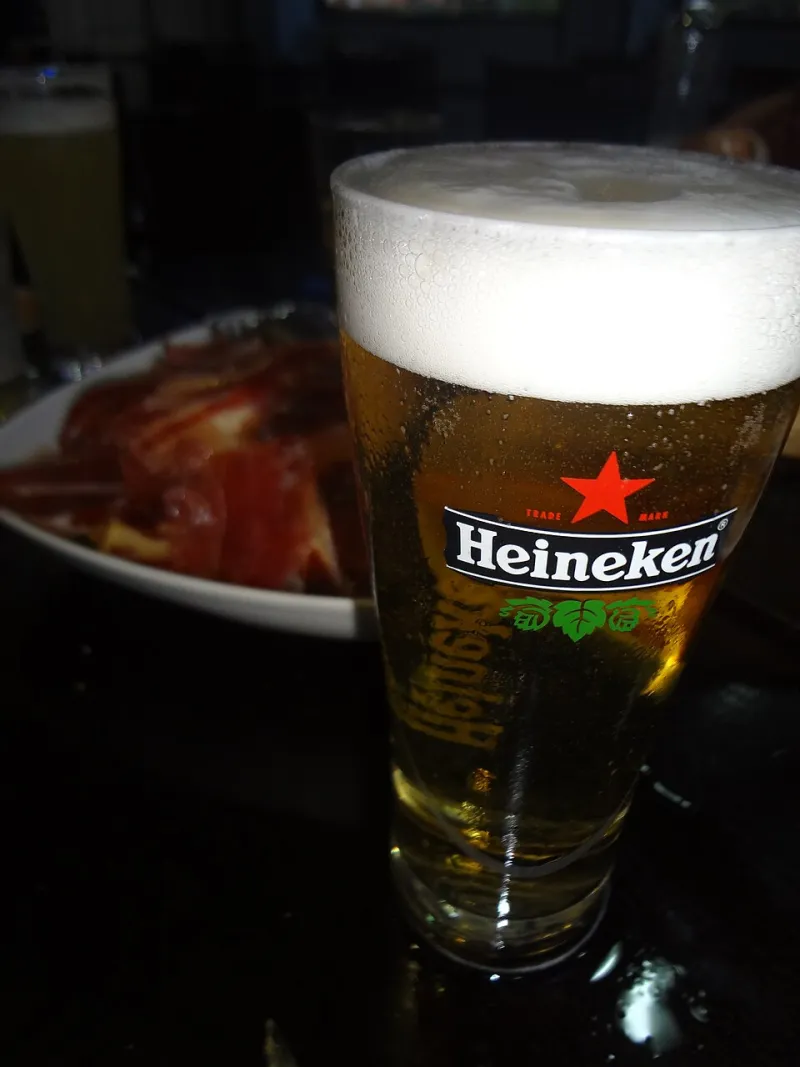
Photo: David Adam Kess, CC BY-SA 4.0, via Wikimedia Commons
Walk into most American restaurants billing themselves as "tapas bars" and you'll notice something immediately: the plates are enormous. A single order of patatas bravas arrives looking like a side dish for four. A racion of jamón could feed a small family. The check lands fast, the table turns faster, and somewhere in the middle of all that efficiency, the entire point of tapas quietly slips out the back door.
This isn't a complaint about American food culture writ large. It's something more specific — a frustration shared by anyone who's spent an unhurried Tuesday evening in a Barcelona bodega, nursing a glass of Cava and picking at a few perfect bites of anchovy on toast, and then come home to find that experience almost impossible to replicate at a restaurant in, say, Columbus or Charlotte.
The question worth asking is: how did we get here, and does it actually matter?
What Tapas Actually Are (And Aren't)
The word "tapa" literally means lid — the small plate of food historically placed over a glass of sherry or wine to keep flies out, eventually evolving into a culture of snacking, socializing, and moving slowly through an evening. In Spain, going out for tapas isn't dinner. It's an activity. You drift from bar to bar, you order one or two things at each stop, you talk more than you eat. The food is almost secondary to the ritual.
That philosophy — quality over quantity, conversation over consumption — is baked into the portion size itself. A proper tapa is a few bites. It's designed to keep you curious, not to fill you up. When a kitchen sends out a plate big enough to constitute an entrée, it's not serving tapas. It's serving American comfort food with a Spanish accent, and that's a different thing entirely.
None of this is the fault of American diners. In a country where value is almost always measured in volume, asking someone to pay $14 for four small shrimp takes some cultural reframing. Restaurants respond to what sells, and what sells here is abundance. The result is a version of tapas that's been quietly redesigned to meet American expectations — and in doing so, has lost the qualities that made it special.
The Pace Problem
Beyond portion size, there's a timing issue that's just as damaging. In Spain, a tapas evening unfolds over hours. Plates arrive when the kitchen is ready, not on a schedule. You linger. You order another glass. You argue about something meaningless and laugh about it. The meal is a container for the evening, not the evening itself.
American restaurant economics don't love this model. Table turns matter. Servers are trained to keep things moving. Even well-intentioned tapas spots often rush the experience — dishes arrive in clusters, the check appears before you've had a chance to consider a second round of wine, and the ambient noise level makes actual conversation feel like a project.
This isn't a knock on American hospitality. It's just a mismatch between a cultural practice and the economic realities of running a restaurant in a competitive US market. The result, though, is that most Americans have never actually experienced tapas the way they exist in their home country — and they don't know what they're missing.
How to Spot a Restaurant That Gets It Right
They do exist, thankfully. A handful of Spanish restaurants across the country — concentrated in cities like New York, Miami, Chicago, and Los Angeles, but increasingly scattered elsewhere — genuinely honor the tradition. A few things to look for:
Smaller plates, higher prices per bite. A restaurant that charges $9 for two bites of something exceptional understands tapas better than one charging $16 for a mountain of mediocre food.
A menu that rewards ordering multiple rounds. If the format encourages you to order two or three things, finish them, and then think about what comes next, the kitchen is pacing the meal intentionally.
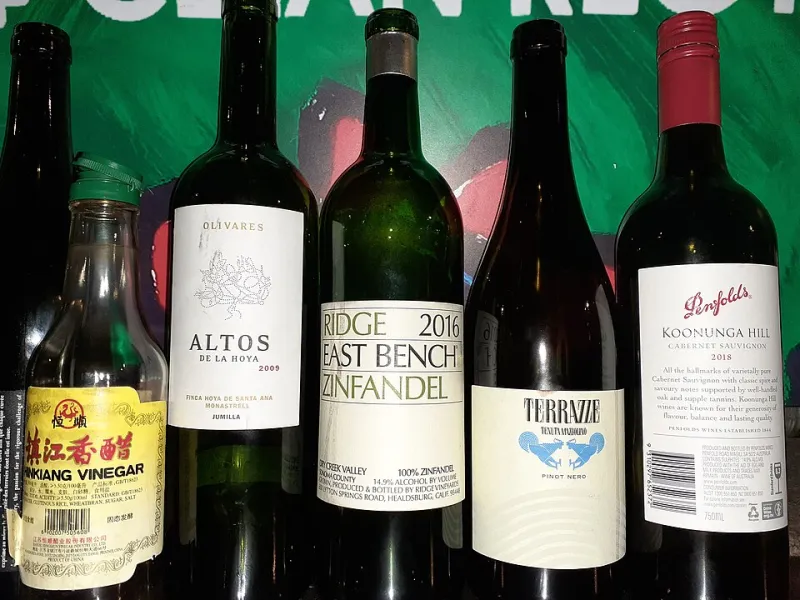
Wine lists that feature Spanish producers. Not exclusively, but prominently. A place that takes Spanish food seriously tends to take Spanish wine seriously too.
A bar culture. Some of the best tapas in America are served at the bar, not at tables. If there's a lively bar scene with people grazing on small plates, that's usually a good sign.
Simplicity on the plate. Authentic tapas aren't complicated. Pan con tomate is bread, tomato, olive oil, and salt. If a menu is full of elaborate constructions and fusion riffs, it may be delicious — but it's not really tapas.
Reclaiming the Experience at Home
Honestly? Your living room might be the best tapas bar in your city. When you're hosting at home, you control the pace entirely. You can stretch an evening over three hours with zero pressure. You can open a bottle of Albariño and let it breathe while you put together a few simple plates, and nobody is hovering to take your glass away.
The key is restraint. Resist the urge to make a lot of things. Make four or five small plates extremely well. Think about variety — something briny, something rich, something bright, something crunchy. Give people a few bites of each and let the conversation fill the rest of the space.
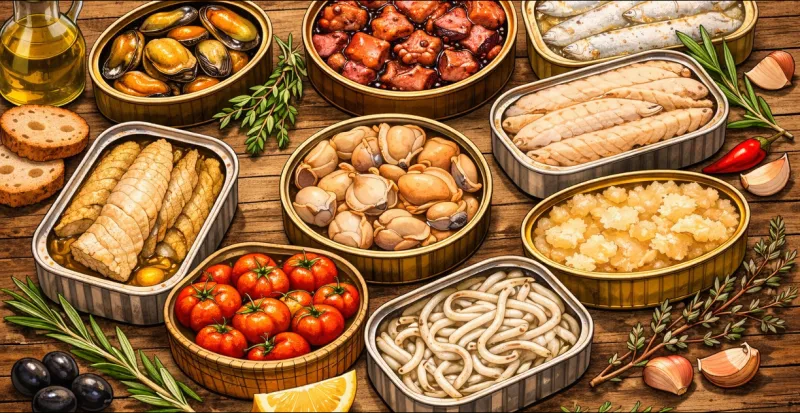
A spread of good Manchego, a tin of quality anchovies on toast, a small bowl of marinated olives, and a plate of pan con tomate is a legitimate tapas experience. It requires almost no cooking and costs less than a restaurant appetizer. What it requires is the willingness to slow down and let the evening be the point.
A Gentle Manifesto
This isn't about being precious or culturally possessive. Food evolves, travels, and transforms — that's what makes it interesting. But there's a difference between evolution and dilution. When the thing that makes tapas tapas (the size, the pace, the social architecture) gets stripped away, what's left is just small plates. And small plates are fine. But they're not the same thing.
If you've only ever experienced tapas the American way, do yourself a favor: the next time you're entertaining at home, try it the Spanish way. Make less food. Open more wine. Sit down before you're hungry and stay at the table until you've forgotten what time it is.
That's what tapas actually are. And once you've felt it, you'll understand exactly what's been lost in translation.