The Graveyard in Your Pantry: Spanish Ingredients You Bought Once and Will Never Touch Again
Open your spice cabinet right now. Go ahead. Somewhere in there — behind the smoked paprika you use occasionally and the cumin you reach for weekly — there's probably a small, dusty jar of saffron. Maybe a bottle of aged sherry vinegar with the seal still intact. Possibly a shrink-wrapped package of Jamón Ibérico you picked up at Whole Foods for a dinner party six months ago and never opened.
You're not alone. This is one of the most common patterns among American home cooks who fall in love with Spanish food: a burst of enthusiasm, a shopping trip that feels like a culinary pilgrimage, and then a slow fade back to the same five ingredients they always use. The Spanish pantry of your dreams becomes a museum of good intentions.
Here's the thing, though. Spanish bartenders — the people who actually churn out incredible tapas night after night — aren't working with a cart full of specialty imports. Their secret is almost embarrassingly practical.
Why We Overbuy in the First Place
Spanish cuisine has a certain romance to it. The markets, the cured meats hanging from the ceiling, the ceramic crocks of olives. When Americans encounter it — whether at a great restaurant, on a trip, or through a cookbook — the natural instinct is to recreate the whole aesthetic. That means buying everything at once.
Food media doesn't help. Recipe blogs and cooking shows tend to list the most photogenic version of every ingredient. A recipe calls for Jamón Ibérico de Bellota, and suddenly you're spending $40 on a small packet instead of recognizing that a good Serrano ham would do the job just fine. The aspirational ingredient list becomes the shopping list, and half of it never gets opened.
There's also the intimidation factor. Saffron, for example, is expensive enough that people treat it like a precious resource. They save it for the "right" moment, which never quite arrives. So it sits there, degrading slowly, until it's basically tasteless and you throw it out feeling vaguely guilty.
The Ingredients Spanish Bartenders Actually Rely On
Walk into the kitchen behind a great tapas bar in Seville or San Sebastián and you'll find a surprisingly short list of workhorses. These aren't the glamour ingredients. They're the ones that get used every single day.
Good olive oil. Not the most expensive bottle on the shelf, but a solid, fruity Spanish extra virgin that you actually cook with and drizzle freely. Spanish cooks use olive oil the way American cooks use butter — generously and without guilt. If you're rationing your olive oil, you bought the wrong bottle.
Pimentón de la Vera. This smoked paprika from the Extremadura region is genuinely irreplaceable, and the good news is that it's affordable and lasts a long time. Sweet, bittersweet, or hot — all three earn a spot on the shelf. This is the ingredient that makes patatas bravas taste like patatas bravas and not just fried potatoes with ketchup.
Garlic. Fresh, abundant, unashamed. Spanish cooking doesn't whisper garlic — it announces it.
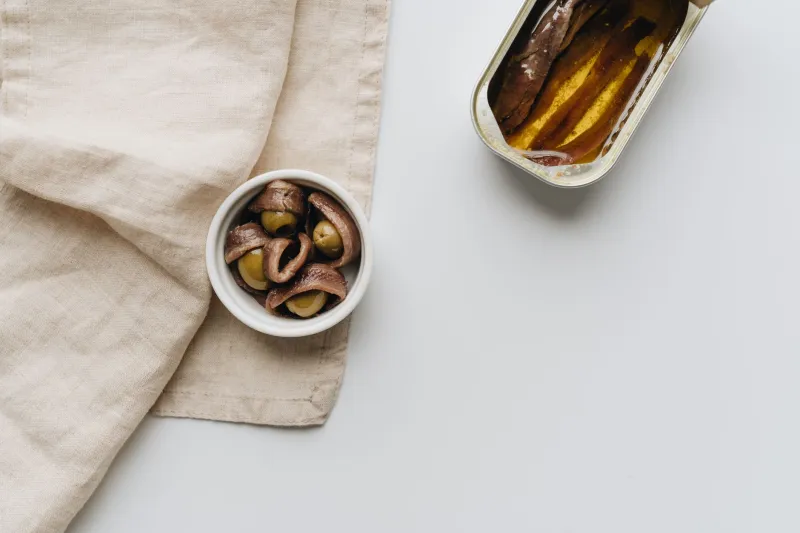
Good canned seafood. Sardines, anchovies, mussels in escabeche. Spain produces some of the finest tinned seafood in the world, and it's increasingly available at specialty grocery stores and online in the US. A tin of good anchovies on toast with butter is a legitimate tapas move. These are inexpensive, shelf-stable, and genuinely delicious.
Sherry. Not aged sherry vinegar — actual Fino or Manzanilla sherry, which costs around $12 and can be used for cooking, deglazing, and drinking while you cook. It transforms a simple clam dish or a pan of mushrooms into something that tastes deeply Spanish.
Manchego. Yes, it's on every cheese board in America now. That doesn't make it less useful. A wedge of Manchego, some membrillo (quince paste), and a handful of Marcona almonds is a legitimate tapas plate with zero cooking required.
The Ingredients You Can Leave to the Restaurants
This is where it gets a little uncomfortable, because some Spanish ingredients are genuinely spectacular — just not practical for most home kitchens.
Jamón Ibérico de Bellota is extraordinary. It's also $80–$150 per pound and should be sliced paper-thin at room temperature and eaten on its own, not cooked into anything. Unless you're hosting a serious dinner and plan to serve it as a centerpiece, it's a restaurant experience. Good Serrano ham from a Spanish producer will carry your tapas spread without the sticker shock.
Saffron is worth buying — but only if you make paella or saffron-forward dishes regularly. If you made paella once in 2022 and the jar is still mostly full, stop buying it. Buy it fresh, in a small amount, right before you need it.
Aged sherry vinegar is genuinely excellent and has real applications in dressings and braises. But if you're not already cooking with vinegar regularly, a 25-year aged sherry vinegar isn't going to change your habits. Start with a younger, less expensive version and actually use it before upgrading.
Specialty dried peppers like ñora or choricero are wonderful for certain sauces. They're also the kind of ingredient that requires a specific recipe and a specific intention. If you're not making romesco or a traditional marmitako, they'll sit in your pantry untouched.
Building a Spanish Pantry That Actually Gets Used
The goal isn't to replicate a Spanish grocery store in your kitchen. The goal is to have a small collection of ingredients that you reach for automatically — the way you reach for soy sauce or hot sauce without thinking about it.
Start with the workhorses: good olive oil, pimentón de la Vera (sweet and hot), a few tins of quality anchovies and sardines, a bottle of Fino sherry, dried chickpeas or good canned ones, and a wedge of Manchego. That's it. That's the foundation of a dozen tapas that will actually get made.
Once those become habits — once you're reaching for smoked paprika the way you reach for black pepper, once you're opening a tin of anchovies without thinking twice — then you can start adding layers. Maybe a jar of piquillo peppers. Maybe a bag of Calasparra rice for paella nights. Maybe, eventually, that aged sherry vinegar.
But build from use, not aspiration. The Spanish pantry that works is the one that gets opened.
The jar of saffron gathering dust in the back of your cabinet? It's not Spanish cooking. It's the ghost of a dinner party you almost threw. And the sooner you let it go — and replace it with a bottle of Fino sherry and a tin of good sardines — the sooner your tapas will actually start tasting like something.