Why Your Favorite Spanish Bartender Just Told You 'That's Enough' — And Why You Should Listen
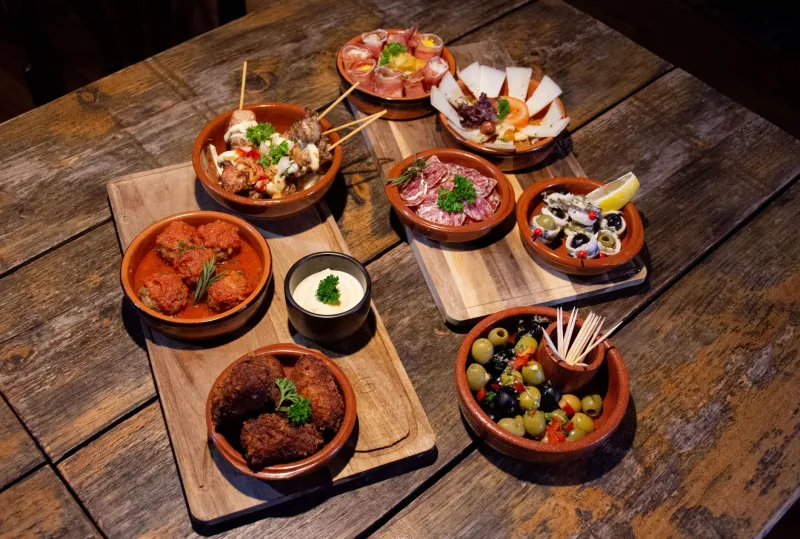
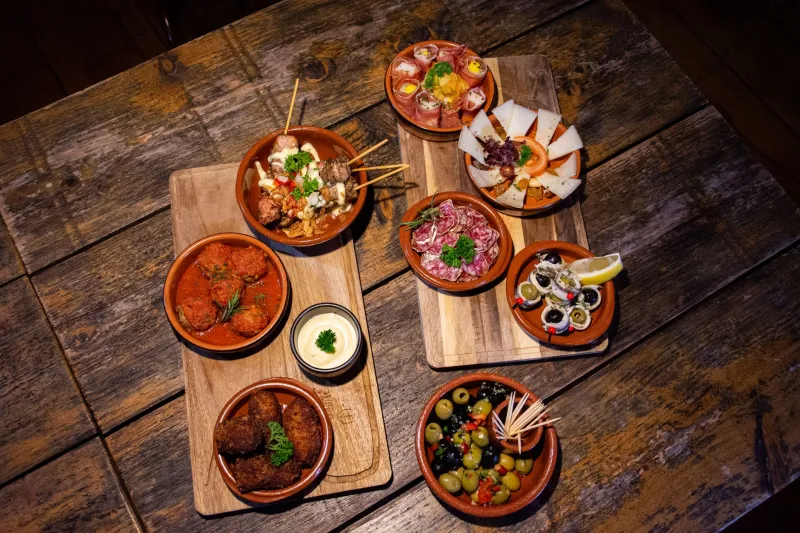
Picture this: You're sitting at a zinc-topped bar somewhere in Seville, feeling great about the night, and you flag down the bartender to order another round of plates. He looks at what's still on the counter, glances at your group, and says — politely but firmly — no. Not yet. Maybe in a few minutes. Maybe not at all.
If you're American, your first instinct might be mild offense. Isn't the customer always right? Isn't more always better? But here's the thing: that bartender just did you a favor. And understanding why is one of the most useful things you can take home from Spanish food culture.
The Unwritten Contract at a Spanish Bar
In Spain, the relationship between a bartender and a customer isn't purely transactional. There's an implied agreement: the bar takes care of you, and part of taking care of you means not letting you over-order. This isn't paternalism — it's hospitality in a form that most Americans have never experienced.
Spanish tapas culture developed in environments where food was meant to complement drinking and conversation, not overwhelm them. The pacing is intentional. Plates arrive in rhythm with the table's energy, not all at once, and certainly not in quantities that outrun appetite. A skilled bartender reads the room the way a jazz musician reads the band — adjusting, holding back, knowing when the moment calls for silence.
Maria José Ruiz, who runs a small bar in Granada's Realejo neighborhood, puts it plainly: "If I let everyone order everything they want the moment they sit down, half of it goes in the trash. That's money wasted, food wasted, and the guest leaves feeling heavy instead of happy. My job is to make sure they leave wanting to come back."
That last line is the key. The goal isn't maximum consumption per visit — it's maximum satisfaction over time.
Why Americans Default to More
This is not a criticism. American dining culture evolved in a context of abundance, and restaurants here have largely built their models around the idea that generosity means volume. Big portions signal value. A full table signals a good host. Running out of food at a party is practically a social emergency.
But that framing creates a specific kind of waste — and a specific kind of eating experience that often leaves people feeling overstuffed rather than genuinely satisfied. We've all been to the dinner party where every surface is covered with food and somehow nothing feels quite right, like the sheer quantity has diluted the intention behind each dish.
Tapas culture, at its best, is the antidote to exactly that.
The Economics of Saying No
Here's the part that surprises most people: telling a customer not to order more is actually good business. Diego Fernández, who owns a tapas bar in Madrid's La Latina district, explains the logic clearly.
"If a table of four orders twelve plates in the first ten minutes, they eat quickly, they don't enjoy it, and they leave. If they order four plates, eat slowly, talk, and then order four more — they stay longer, they drink more, and they feel better at the end. The ticket might be similar, but the experience is completely different. And experience is what makes them come back."
There's also the kitchen math to consider. Overordering creates waste, which erodes margins. In a well-run Spanish bar, the kitchen produces what it can sell well, not an infinite menu designed to cover every possible craving. Restraint on the customer side keeps the kitchen from overextending, which keeps quality high.
For Americans running dinner parties at home, this is worth sitting with. The instinct to over-prepare — twelve dishes for eight guests — often results in food that doesn't get touched, money that doesn't need to be spent, and a host who's exhausted before the night even starts.
What Restraint Actually Looks Like in Practice
At a good Spanish bar, restraint isn't about deprivation. It's about sequence and attention. A bartender might bring you two or three things to start — something sharp and briny, something warm and savory — and then check in before suggesting what comes next. The conversation is ongoing. The meal breathes.
This approach requires trust on both sides. The customer has to believe that the bartender knows what they're doing. The bartender has to actually know what they're doing. When both conditions are met, something genuinely special happens at the table.
Several Spanish restaurant owners in the US have tried to import this practice, with mixed results. "Americans sometimes get frustrated," admits Carlos Vega, who manages a tapas spot in Chicago's West Loop. "They're used to being in control of their meal from the start. But when we explain the idea — that we're pacing things so every plate arrives at its best — most people come around. And they always thank us at the end."
Bringing This Home (Without Being Weird About It)
You don't need to appoint yourself the food police at your next dinner party. But there are a few ways to borrow this philosophy without making your guests feel managed.
Start smaller than you think you need to. Put out two or three things to begin — olives, a good cheese, maybe something warm from the oven. Let people settle in. Then bring out the next wave. You'll find the conversation flows better when people aren't immediately overwhelmed with choices.
Cook in rounds. Instead of finishing everything before guests arrive, plan a few dishes that can come out over the course of the evening. It keeps the energy alive and gives you natural moments to check in with how hungry people actually are.
Give yourself permission to not make the fifth thing. If the table is happy and nobody's asking for more, you don't have to bring out the extra dish you prepped. Save it. Eat it tomorrow. Enjoy the fact that everyone left satisfied rather than stuffed.
Pay attention to the room. This is the real skill — the one Spanish bartenders develop over years. Are people still actively eating, or are they grazing distractedly? Are the plates getting cleared or sitting? The table tells you what it needs if you watch closely enough.
The Deeper Point
There's a reason tapas culture has endured for centuries in Spain while food trends elsewhere come and go. It's not just about the food — it's about a particular relationship to eating that centers pleasure over performance. The goal is never to impress with quantity. It's to create the conditions for a genuinely good time.
When a Spanish bartender tells you that's enough for now, he's not dismissing you. He's paying attention. He's doing the thing that hospitality is actually supposed to do: making sure you leave better than you arrived.
That's a lesson worth carrying back across the Atlantic.