Weeknight Tapas: Five Spanish Bar Snacks Ready Before Your Wine Is Poured
Photo: David Adam Kess, CC BY-SA 4.0, via Wikimedia Commons
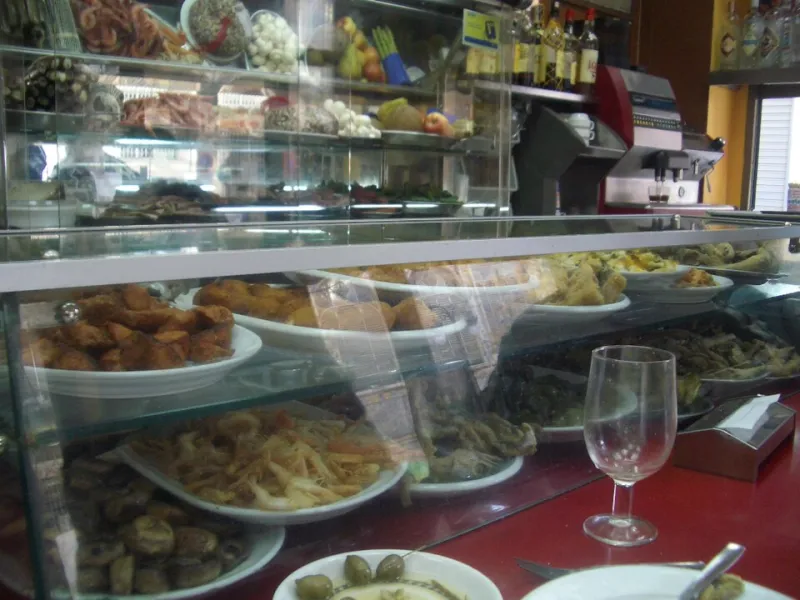
Here's the thing about Spanish bar culture that most Americans miss: the snacks aren't elaborate. Walk into any cervecería in Seville or a neighborhood bar in San Sebastián and you'll find plates of food that took minutes to assemble — olives tossed in warm olive oil, a slice of tortilla cut from a round that's been sitting on the counter all day, anchovies draped over a piece of bread. The magic isn't complexity. It's confidence and quality ingredients.
That's good news if you've got a weeknight, a decent pantry, and about twenty minutes to spare. Below are five tapas, each built around one core technique. Learn the technique once, and you'll be riffing on it forever.
1. Pan Con Tomate — Master the Rub
This is Spain's answer to garlic bread, and it's so simple it almost feels like cheating. Thick-cut crusty bread (a sourdough boule works perfectly in the US), toasted in a skillet or under the broiler until the edges go golden. Then comes the move: slice a very ripe tomato in half and rub the cut side directly onto the hot toast, pressing as you go. The bread acts like a grater, pulling in the tomato pulp while leaving the skin behind. Finish with a pour of good olive oil and a pinch of flaky salt.
The technique: The rub. Once you've got this down, you can rub a split garlic clove first for extra punch, or layer on toppings — jamón, a smear of anchovy butter, a slice of fresh mozzarella. The toast is a canvas. The rub is what makes it Spanish.
Time check: 6 minutes, including toasting.
2. Gambas al Ajillo — Master the Sizzle
Garlic shrimp in a cazuela. It's one of those dishes that sounds fancy until you realize the entire cooking process takes about four minutes once your pan is hot. The key is temperature: you want the olive oil genuinely hot before the shrimp go in, so they sear rather than steam. Add thinly sliced garlic and a dried guindilla pepper (or a pinch of red pepper flakes if that's what you've got), then the shrimp. They're done when they curl and turn pink — thirty seconds per side, maybe less.
A splash of dry sherry or white wine at the end creates a quick pan sauce that's practically begging for bread to soak it up.
The technique: High-heat pan searing. Once you understand how fast shrimp cook at proper temperature, you'll stop overcooking them forever. This same sizzle approach works for sliced mushrooms (champiñones al ajillo), clams, or even cubes of firm tofu if you're feeding a vegetarian crowd.
Time check: 8 minutes, including peeling the shrimp.
3. Boquerones en Vinagre — Master the Quick Marinade
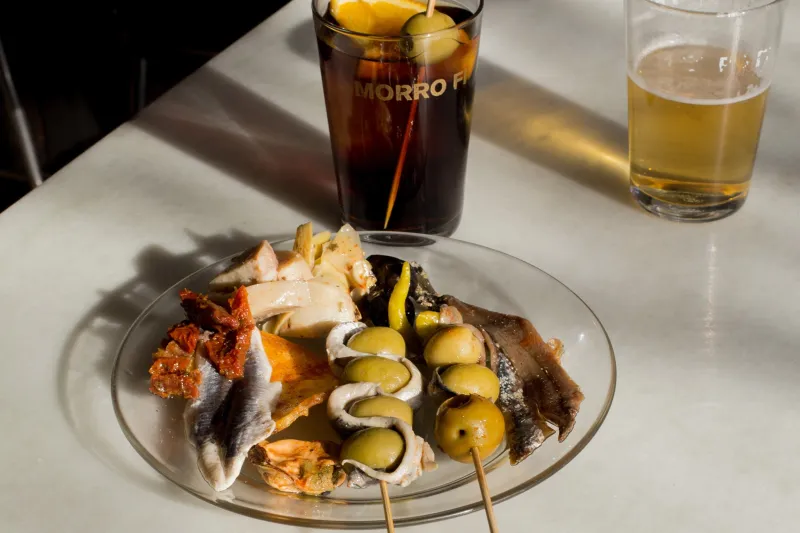
Okay, technically this one takes longer — but almost none of that time is active. Fresh white anchovies marinated in white wine vinegar, then dressed with olive oil, garlic, and flat-leaf parsley. The acid in the vinegar does the cooking (it's essentially a ceviche technique), and while a traditional preparation cures the fish overnight, you can use store-bought boquerones — widely available at Whole Foods, Spanish specialty shops, and online — and just focus on the dressing.
Toss them in a bowl with minced garlic, chopped parsley, a drizzle of your best olive oil, and a few thin slices of fresh chile if you like heat. Let them sit while you prep everything else.
The technique: Marinating. Even ten minutes in good olive oil with aromatics transforms preserved fish from something you eat straight from the jar into something that tastes intentional and elegant. Apply this same logic to olives, roasted peppers, or sliced manchego.
Time check: 5 minutes active, 10+ minutes resting.
4. Pimientos de Padrón — Master the Char
If you've never made these, tonight is the night. Padrón peppers — increasingly easy to find at Trader Joe's, Whole Foods, and farmers markets in the summer — go into a very hot skillet with a generous glug of olive oil. You want them to blister and char in spots, which takes about three to four minutes of mostly hands-off cooking. Shake the pan occasionally. When the skins are wrinkled and blistered all over, pull them out and hit them with flaky sea salt.
That's the whole recipe. The drama is that roughly one in ten peppers is spicy — nobody knows which one until it's too late, which makes them genuinely fun to eat with a group.
The technique: Dry-ish, high-heat charring in a heavy pan. This same approach works beautifully for shishito peppers (the Japanese equivalent, if Padróns aren't available), cherry tomatoes, and thick asparagus spears. The char adds depth and smokiness without a grill.
Time check: 5 minutes flat.
5. Tortilla Española — Master the Emulsion (The One Worth Practicing)
This is the most involved technique on the list, but it's also the one that pays dividends for years. Spanish tortilla is a thick egg-and-potato omelet — dense, silky, and nothing like a French omelet. The secret is the slow-cooked potatoes, which you can shortcut by using a microwave (four minutes on high for two thinly sliced potatoes gets them most of the way there before they ever hit oil).
Once the potatoes are soft, fold them into beaten eggs with salt and let them sit for five minutes. This rest period is important — the potatoes absorb egg, which creates that cohesive, almost custard-like texture. Cook in an oven-safe skillet on medium-low, then finish under the broiler instead of doing the traditional flip, which honestly intimidates even experienced cooks.
The technique: Emulsification via rest time. The egg and starch bind together in a way that creates structure. Once you understand this, you can add caramelized onion, roasted red pepper, or even a little chorizo without the whole thing falling apart.
Time check: 20 minutes with the microwave shortcut.
Building Your Weeknight Spread
The beauty of tapas is that no single dish has to carry the whole table. Put two or three of these out together and suddenly you've got a spread that looks and tastes like you spent the afternoon in the kitchen. A plate of pan con tomate, a bowl of blistered Padróns, and a dish of boquerones with good bread on the side? That's a legitimate dinner party opening act.
Pour a chilled Albariño or a glass of fino sherry alongside and nobody is going to believe you pulled this off on a Wednesday. That's the Spanish way — not fussing, just doing it well.