No Coastline Required: Your Guide to Spectacular Spanish Seafood Tapas at Home
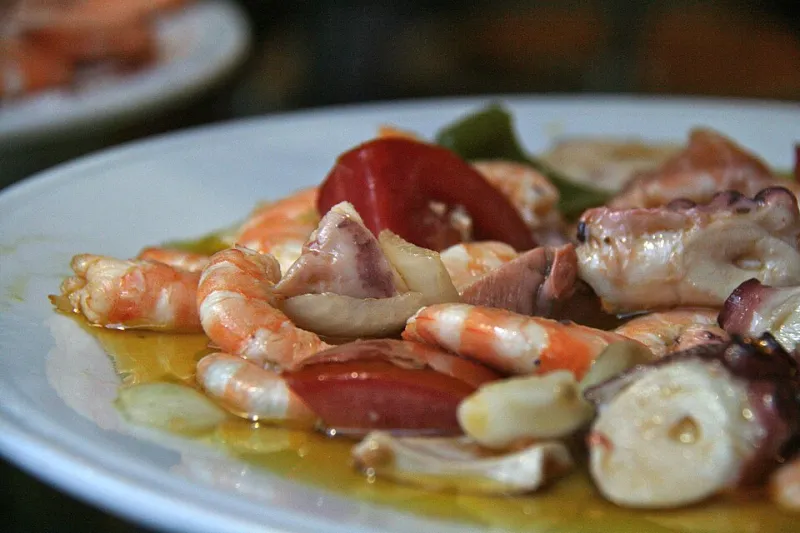
Photo: Tamorlan, CC BY 3.0, via Wikimedia Commons
There's a persistent myth that great Spanish seafood is only possible within driving distance of the Atlantic. That the gambas in Madrid taste the way they do because the shrimp practically leapt from the ocean into the pan. That pulpo a la Gallega requires a Galician grandmother, a copper pot, and a fishing village.
Here's the truth: Spanish seafood tapas are built on technique and quality ingredients, both of which are entirely accessible in the US if you know where to look. Frozen shrimp can be extraordinary. Imported canned octopus is genuinely excellent. Jarred boquerones from Spain are among the most underrated pantry ingredients available at most specialty grocery stores.
This is your practical guide to mastering three classic Spanish seafood tapas — gambas al ajillo, pulpo a la Gallega, and boquerones en vinagre — without a passport or a fishing rod.
Sourcing: The Most Important Step You'll Take Before You Cook
Before we get into technique, let's talk about ingredients, because this is where home cooks most often go wrong.
Shrimp: For gambas al ajillo, you want shell-on, head-on shrimp if you can find them — the shells and heads contribute enormously to the flavor of the oil. Many Asian grocery stores and seafood counters carry whole shrimp frozen. Look for Argentine red shrimp, which have a naturally sweet, almost lobster-like flavor that's exceptional in this dish. Wild-caught Gulf shrimp are also a solid domestic option. Avoid pre-cooked or pre-peeled shrimp entirely.
Octopus: Fresh octopus is genuinely hard to find and requires significant prep work. Frozen octopus, on the other hand, is widely available at Costco, Asian supermarkets, and most seafood counters — and it's actually better for this recipe because the freezing process helps break down the muscle fibers, resulting in more tender meat. Look for whole octopus in the 2–3 pound range. Alternatively, high-quality imported canned or jarred octopus (look for Galician brands like Ramón Peña or Real Conservera Española) is a legitimate shortcut for a tapas spread.
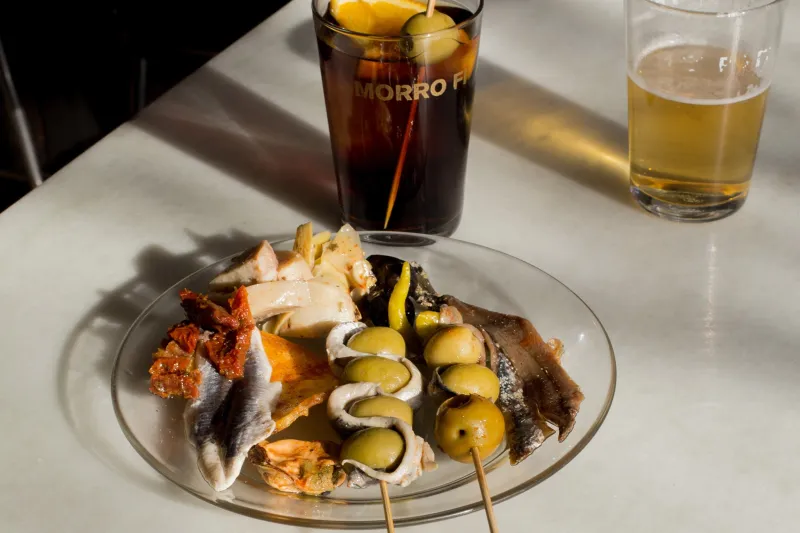
Boquerones: These are white anchovies marinated in vinegar and olive oil — completely different in character from the salt-cured brown anchovies most Americans are familiar with. Look for imported Spanish boquerones at Whole Foods, specialty grocery stores, or online from retailers like La Tienda or Despaña. They come packed in oil and are ready to eat straight from the jar.
Gambas al Ajillo: The Dish That Converts Everyone
This is arguably the most crowd-pleasing tapa in the Spanish repertoire. The formula is almost embarrassingly simple: shrimp, garlic, olive oil, dried chili, and sherry. The magic is in the heat and the speed.
Ingredients (serves 4 as a tapa):
- 1 lb shell-on shrimp (thawed if frozen, patted very dry)
- 6 cloves garlic, thinly sliced
- 1 dried guindilla or árbol chili, crumbled
- ½ cup good Spanish olive oil
- 3 tablespoons dry sherry (Fino or Manzanilla)
- Flaky sea salt
- Crusty bread for serving
Method: Heat a small cast iron skillet or cazuela over high heat until it's genuinely hot — this is not the moment for medium heat. Add the olive oil, then immediately add the garlic and chili. The moment the garlic starts to turn golden (about 45 seconds), add the shrimp in a single layer. Toss once, add the sherry, and cook for no more than 2 minutes total. The shrimp should be just pink and curled. Season aggressively with flaky salt and bring the whole skillet to the table still sizzling.
Common mistake to avoid: Overcrowding the pan and cooking on too-low heat. You want a fast, fierce cook that sears the shrimp rather than steaming them. If your shrimp are releasing water, your pan isn't hot enough.
Pulpo a la Gallega: Patience Rewarded
This Galician classic — tender octopus dressed with olive oil, smoked paprika, and coarse salt over a bed of sliced potatoes — looks dramatic and tastes extraordinary. The technique requires some patience but almost no skill.
Ingredients (serves 4–6 as a tapa):
- 2–3 lb frozen octopus, thawed overnight in the refrigerator
- 1 lb waxy potatoes (Yukon Gold work well)
- ½ cup best-quality Spanish olive oil
- 2 teaspoons smoked paprika (pimentón de la Vera — this is non-negotiable)
- Coarse sea salt
Method: Bring a large pot of unsalted water to a boil. "Frighten" the octopus by dipping it into the boiling water three times before submerging it fully — this old Galician technique helps the skin set properly. Simmer gently for 45–60 minutes until a knife slides easily into the thickest part of the tentacle. Let it rest in the water for 20 minutes, then remove and slice the tentacles into ½-inch coins.
Boil the potatoes in the same water until tender, then slice into rounds. Arrange the potatoes on a wooden board or plate, top with the octopus, drizzle generously with olive oil, dust with smoked paprika, and finish with coarse salt.
Common mistake to avoid: Skipping the resting period. Octopus that comes straight from the boil to the cutting board will be rubbery. The rest is what makes it silky.
Boquerones: The No-Cook Tapa That Steals the Show
Boquerones require zero cooking and approximately three minutes of assembly. Lay them on a small plate, drizzle with olive oil, add a few thin slices of garlic and a scattering of fresh parsley, and serve with good bread. That's it. The quality of the boquerones does all the work — which is why sourcing matters so much here.
For a slightly more composed presentation, serve them on thin slices of baguette with a smear of good butter and a sliver of piquillo pepper. The combination of vinegary fish, rich butter, and sweet pepper is genuinely remarkable.
Wine Pairings That Tie It All Together
For gambas al ajillo, reach for a chilled Fino or Manzanilla sherry — the saline, nutty character mirrors the shrimp beautifully, and the dry finish cuts through the garlic oil. If sherry feels like a stretch for your guests, a crisp Txakoli from the Basque Country is an excellent alternative.
Pulpo a la Gallega is a Galician dish through and through, and Albariño from the Rías Baixas region is its natural partner. The wine's bright acidity and stone fruit character play perfectly against the smoky paprika.
Boquerones, with their bracing vinegar punch, want something equally lively. A young Verdejo from Rueda or a sparkling Cava will hold up to the acidity without getting lost.
The Bigger Picture
What makes these three tapas work together as a spread is the same thing that makes all great tapas work: contrast. You've got richness (the gambas oil), earthiness (the pulpo and potatoes), and brightness (the boquerones). You've got textures that range from silky to firm to tender. You've got a table that looks and smells like somewhere you genuinely want to be.
None of it required a trip to Spain. Just good ingredients, a little technique, and the willingness to let simple things be extraordinary.