Eating With the Calendar: How Spanish Tapas Change With the Seasons (And Why Yours Should Too)
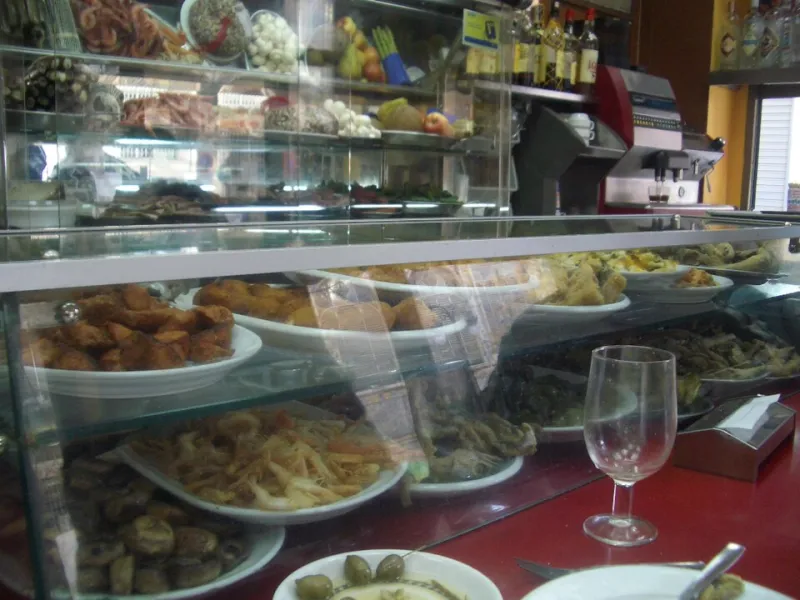
Photo: Retired electrician, CC0, via Wikimedia Commons
Walk into a tapas bar in Granada in January and you'll find warming stews, roasted peppers, hearty legume dishes. Come back in July and the same bar is serving chilled seafood, fresh tomatoes with good oil, cold sliced meats. The menu isn't the same menu with a seasonal garnish — it's a fundamentally different expression of the same kitchen, shaped entirely by what's available and what the weather calls for.
This is something most Americans never experience from tapas, because we tend to encounter the format through a different lens. Here, tapas are often treated as a vibe — small plates, shareable, fun, good for a party — rather than as a living culinary tradition that breathes with the seasons. The result is gazpacho served in November and braised dishes in August, and a general feeling that tapas are somehow outside of time.
They're not. And once you start cooking with the Spanish calendar in mind, your whole approach to small plates changes.
Why Seasonality Is Baked Into Spanish Food Culture
Spain's relationship with seasonal eating didn't come from a food trend. It came from geography, poverty, and necessity — and then it became culture.
For most of Spanish history, you ate what the land gave you when it gave it to you. The Mediterranean climate created a rhythm: cool wet winters that favored legumes and preserved meats, long dry summers bursting with tomatoes, peppers, cucumbers, and stone fruit. Coastal regions built their identities around what the sea produced in each season. Inland communities relied heavily on cured pork, dried beans, and whatever root vegetables made it through the winter.
Those rhythms got encoded into the cuisine. Certain dishes became associated with certain times of year not because someone decided they should be, but because the ingredients only existed at those moments. That connection persists today, even in modern Spanish kitchens and restaurants. It's not nostalgia — it's just how the food works.
What a Spanish Tapas Table Looks Like Right Now: A Season-by-Season Guide
Spring: Lightness and Green Things
Spring in Spain is asparagus season, and it's taken seriously. White asparagus — thick, mild, slightly sweet — gets served simply, with a soft-boiled egg or a good vinaigrette. Green asparagus shows up grilled with romesco or alioli. This is also the season for fresh peas, baby artichokes, and the first spring onions, all of which make appearances on tapas menus across the country.
For American home cooks, spring is the moment to resist the urge to reach for heavy, pantry-dependent dishes. Lean into your farmers market. Shaved raw vegetables with a sharp dressing. Grilled spring onions with a smear of romesco. A simple tortilla española made with the best eggs you can find. The season calls for restraint and brightness.
A good spring tapas spread leans on texture and freshness — things that taste like they were picked recently, because they were.
Summer: Abundance and Cold Plates
This is the season that most Americans actually associate with Spanish food, and for good reason. Summer in Spain means tomatoes, peppers, cucumbers, eggplant, and zucchini in overwhelming abundance. It also means heat — which is why so many iconic Spanish dishes are designed to be eaten cold.
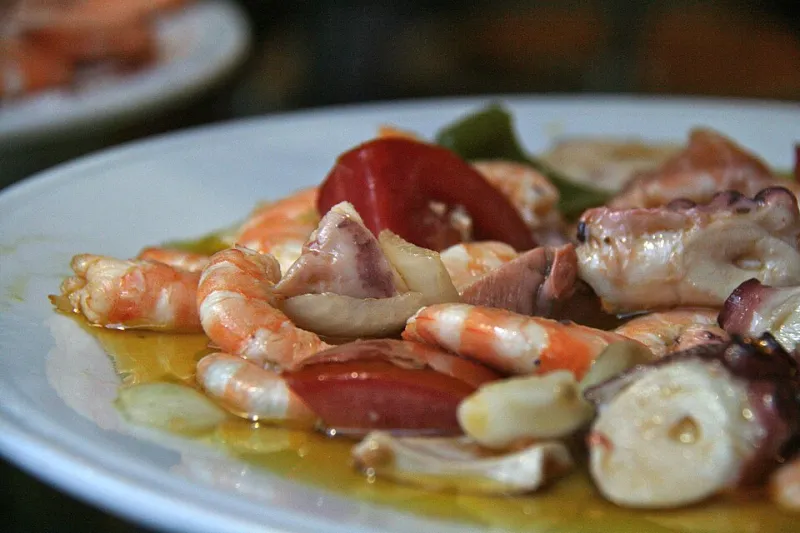
Gazpacho is the obvious one, but the summer cold-plate tradition goes much further. Salmorejo — a thicker, richer cousin of gazpacho from Córdoba, topped with hard-boiled egg and jamón — is a summer staple. Ensaladilla rusa, the Spanish potato salad with tuna and olives, is everywhere. Cold seafood — boiled shrimp, octopus with paprika and olive oil, chilled clams — is peak-summer tapas bar territory.
For home cooks, summer is when you should be building tapas spreads that require almost no cooking. Slice good tomatoes. Dress them with olive oil, flaky salt, and a little sherry vinegar. Open a tin of good tuna. Pile things on bread. The season is generous — let it do the work.
Fall: Depth, Smoke, and the Return of Warmth
Fall in Spain is hunting season, mushroom season, and the beginning of the new olive oil. It's when the food starts to get serious again after summer's ease. Piquillo peppers — those sweet, slightly smoky red peppers that are a Spanish pantry staple — are harvested and roasted in the fall. Wild mushrooms appear in markets and on menus. Game meats, particularly partridge and rabbit, start showing up in tapas form.
This is also when the smoky, paprika-forward dishes that Americans often associate with Spanish food year-round actually make the most contextual sense. Patatas bravas with a deep, smoky sauce. Chorizo al vino cooked in red wine. Warm white beans with morcilla.
For a fall tapas spread, think about building warmth gradually. Start with something at room temperature — good cheese, cured meat, a few olives — and bring in the warm dishes as the evening cools down. Fall tapas should feel like the kitchen is waking back up.
Winter: Comfort, Preservation, and the Long Table
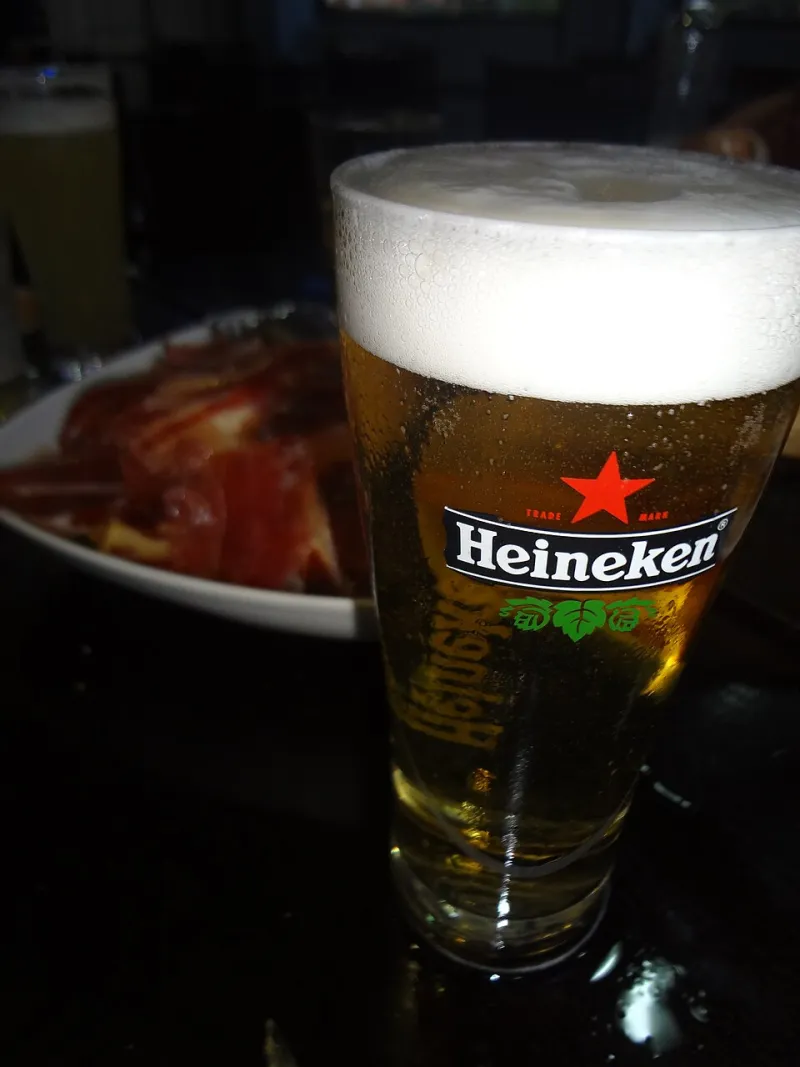
Winter tapas in Spain lean hard on preserved and cured ingredients — because historically, that's what was available. Jamón, chorizo, lomo, morcilla. Conservas: tinned mussels, clams, anchovies, sardines. Stewed lentils and chickpeas. Braised meats served in small portions with good bread.
This is also the season of the cocido — a slow-cooked chickpea and meat stew that gets deconstructed and served in multiple rounds. It's not a quick weeknight dish, but the spirit of it — rich, warming, built for a table of people sitting together for a long time — is exactly the winter tapas energy.
For American home cooks, winter is the season to lean on your pantry without apology. A tin of good anchovies on buttered toast. Warm chickpeas with smoked paprika and spinach. A slow-cooked lentil dish with a fried egg on top. These things are deeply satisfying and they fit the season perfectly.
How to Build a Seasonally Intuitive Tapas Practice
You don't need to overhaul your cooking to bring this into your kitchen. Start with one simple habit: before you plan a tapas spread, spend five minutes thinking about what's actually in season right now in your region.
Your local farmers market is your best guide. If you're seeing stone fruit and tomatoes, cook like it's summer. If the market is full of winter squash and root vegetables, build your spread around warmth and depth. Spanish cooking doesn't require Spanish ingredients — it requires the same respect for what's good and fresh that Spanish cooks have always brought to the table.
The calendar is the recipe. You just have to learn to read it.